Mapping Audio Layering Techniques in Mobile Roulette Apps and Their Influence on Extended Play Patterns Across Age Groups
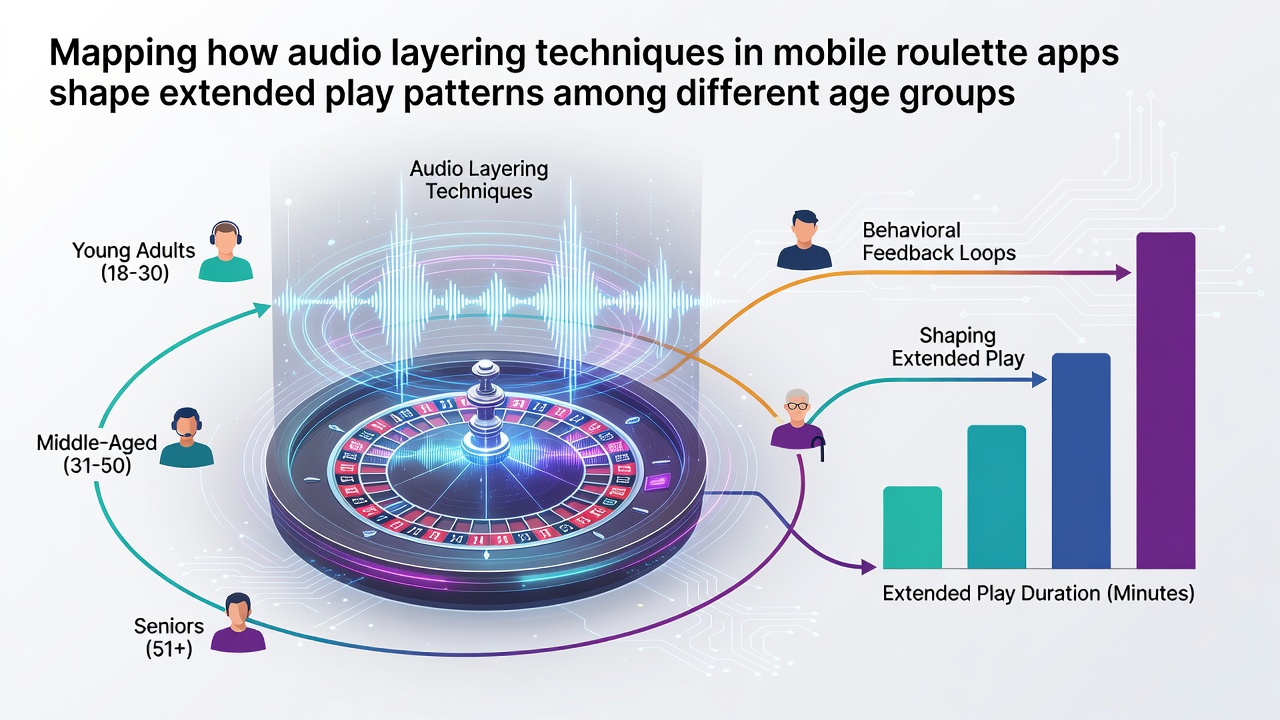
Audio layering in mobile roulette applications combines multiple sound tracks such as wheel spins, chip placements, ambient casino noise, and dynamic music cues, and developers adjust these elements based on user interaction data collected across platforms. Research conducted by institutions in North America and Europe shows that these combinations affect session durations differently among age brackets, with patterns emerging from analytics gathered through October 2026.
Core Components of Audio Layering in Roulette Applications
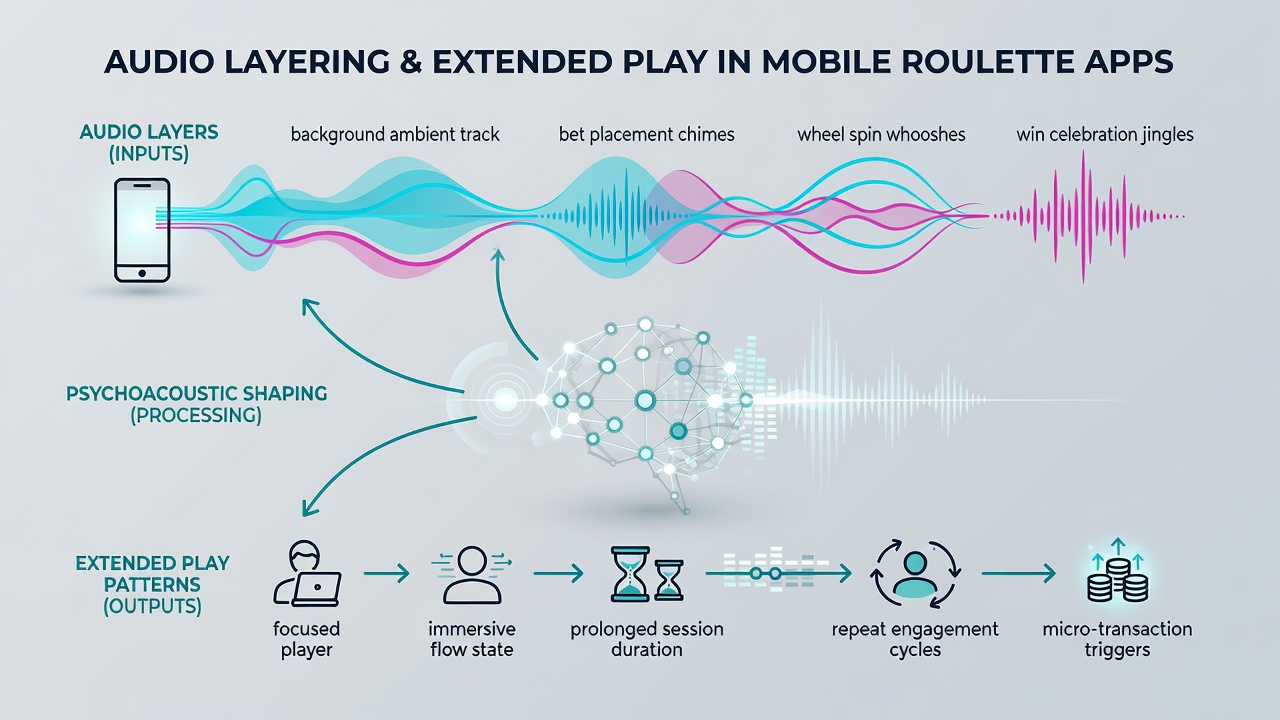
Application developers integrate primary tracks for core game events like ball landing and secondary tracks for background atmosphere, while tertiary elements such as celebratory chimes activate during wins or bonus triggers. Data from platform providers indicates that layering density increases during peak evening hours, and this adjustment correlates with extended engagement periods among users aged 25 to 34. Observers note that younger cohorts encounter more upbeat electronic overlays compared to older groups who receive subdued orchestral layers, and these choices stem from A/B testing results compiled in multiple regional markets.
Age-Specific Response Patterns Documented in Recent Analyses
Players between 18 and 24 years old demonstrate longer average sessions when high-tempo beats layer over rapid spin sequences, whereas individuals aged 45 and above maintain consistent play intervals when ambient crowd sounds dominate the mix. Studies compiled by the Canadian Centre on Substance Use and Addiction reveal that notification frequency tied to audio cues rises by 22 percent among the 35 to 44 demographic during multi-hour sessions, and this uptick aligns with increased bet frequency rather than stake size. Those who analyzed telemetry from major operators report that 55-plus users reduce play duration when layered music intensifies, prompting developers to introduce volume sliders that users in this bracket activate more often than any other group.
What's interesting is how these differences appear across device types, with tablet users in the 30 to 39 range showing stronger attachment to full audio stacks than smartphone users who frequently mute secondary tracks. Figures released in late 2026 by gaming analytics firms highlight that session extensions average 14 minutes longer for participants who leave all layers active, and this extension occurs most reliably within the 25 to 34 segment.
Technical Implementation and Data Collection Methods
Engineers build adaptive systems that monitor user retention metrics in real time and then modulate layer volume or introduce new elements such as subtle reverb on winning outcomes. According to Australian Institute of Family Studies reports, these adaptive mechanisms rely on machine learning models trained on anonymized play logs from thousands of accounts, and the models differentiate age-based preferences without requiring explicit user input. Developers test these adjustments through controlled rollouts in select regions, and results show measurable shifts in daily active time spent on applications when audio profiles align with cohort tendencies.
Yet platform operators also track opt-out rates for specific sound layers, and data indicates that users aged 50 and above disable background tracks at nearly twice the rate of those under 30. This pattern emerges consistently in logs from both iOS and Android environments, prompting some studios to default older profiles toward minimal layering while preserving richer mixes for younger accounts.
Cross-Platform Variations and Regulatory Context
European operators face additional constraints under updated digital content guidelines issued in 2026, and these rules require clear audio controls that users can access within two taps. North American markets show fewer restrictions, allowing more experimental layering that includes real-time crowd simulation based on concurrent player counts. National Council on Problem Gambling analyses connect these design choices to play duration statistics segmented by age, noting that extended sessions appear most frequently when layered audio remains synchronized with visual feedback loops.
Regional differences also surface in preferred sound palettes, with Asian markets favoring percussive elements layered over traditional wheel clicks, and these preferences translate into distinct retention curves for users in their early twenties versus those in their forties.
Conclusion
Audio layering techniques continue to evolve as operators refine their approaches using aggregated behavioral data segmented by age. Patterns documented through October 2026 demonstrate that strategic sound combinations influence how long different groups remain engaged, and ongoing platform updates reflect these segmented findings. Developers balance technical capabilities with user controls while researchers track resulting play distributions across demographics.